
"Kona coffee roast"
1000 article(s) found

Is it suitable for growing coffee in Hawaii? Introduction to Kona Coffee, Hawaii
Professional coffee knowledge exchange more coffee bean information please follow the coffee workshop (Wechat official account cafe_style) Hawaii is a beautiful and fertile island growing a lot of fruit cocoa hazelnuts and coffee, the price of coffee is the best for farmers to harvest the most. Hawaii began to grow coffee as early as the 18th century, mostly on the island of Kauai and the island of Hawaii, because there are
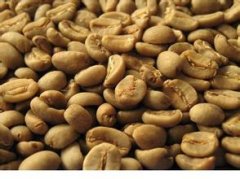
Hawaiian Kona Coffee introduces boutique coffee Kona coffee quality Kona boutique coffee is unique
Hawaiian Kona coffee is the only top variety produced in 50 states in the United States, and the United States is naturally the largest market.

Introduction to the geographical location of coffee bean production in Kona, Hawaii
Kona Coffee from Hawaii (official Wechat account vdailycom) found that Kona Coffee from Hawaii has opened a small shop of its own-Coffee from Hawaii. Kona Coffee beans from Hawaii have the perfect appearance, their fruit is unusually full and shiny, and they are the most beautiful coffee beans in the world. The coffee is smooth and fragrant, with an attractive nutty flavor and acidity.

Which Hawaiian coffee is good? how do you make Hawaiian coffee? what's the flavor of Hawaiian Kona coffee?
Professional coffee knowledge exchange more coffee bean information please follow the coffee workshop (Wechat official account cafe_style) Hawaii's coffee bean reputation mainly comes from Kona. If you like typical island coffee with less acidity, more consistency and less fruit flavor, other islands are also worth exploring. Over the years, the Big Island of Hawaii has been rated internationally.

Hawaiian Kona Coffee introduces the most beautiful coffee beans in the world-Kona coffee beans
Hawaiian Kona coffee is the only top variety produced in 50 states in the United States, and the United States is naturally the largest market.

Where does Hawaiian Coffee grow? cultivation of Hawaiian Kona Coffee
Professional coffee knowledge exchange more coffee bean information Please follow Coffee Workshop (Wechat official account cafe_style) the tourism industry in Hawaii is developed, visitors can visit the coffee farm, see or participate in various processes such as coffee harvest, bean processing, roasting and grinding, and make a cup of coffee that is really their own. In the Kona area, there are about 600 independent
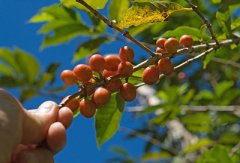
Hawaii Kona premium boutique coffee introduction Hawaii Kona boutique coffee taste characteristics of Hawaii
Hawaiian Kona coffee is the only top variety produced in 50 states in the United States, and the United States is naturally the largest market.

Hawaiian Kona boutique coffee introduction Hawaiian boutique coffee beans Kona boutique coffee unique flavor
Hawaiian Kona coffee is the only top variety produced in 50 states in the United States, and the United States is naturally the largest market.

Fresh and Natural Hawaiian Volcano Coffee-Kona Coffee cultivated by Volcano Goddess tears
Professional coffee knowledge exchange more coffee bean information please follow the coffee workshop (Wechat official account cafe_style) to learn first-hand the coffee making process and various Hawaiian delicacies of Greenville Farm in Kona Coffee area! The volcano on Kona Coffee Island, nurtured by tears, the Hawaiian volcano goddess, is a goddess of fear and love for local residents, afraid of the anger of the goddess, and one of the instant payment of her home.

Hawaii Kona boutique coffee, the most beautiful coffee beans in the world, the kind of Kona coffee.
Hawaiian Kona coffee is the only top variety produced in 50 states in the United States, and the United States is naturally the largest market.

A brief introduction to the treatment method of grinding degree and baking degree of Hawaiian boutique coffee beans with strong flavor
If you want to give the world's coffee beans beauty pageant, Kona coffee beans is undoubtedly the first place. The coffee made from Kona coffee beans has a strong flavor, with aromas of nuts and cinnamon, and moderate acidity, which makes it impossible to pick out shortcomings. The growing environment of coffee beans Kona coffee beans grow on a volcano in Hawaii, of course, not on the top, but on slopes.

Introduction to the baking characteristics of Kona coffee beans in Hawaii
Follow the caf é (Wechat official account vdailycom) and found that the beautiful cafe opened a small shop of its own. Hawaii is the largest island in the Hawaiian archipelago, so it is also called the theBigIsland. Kona coffee is produced in the western and southern part of the Kona region of Hawaii, and coffee trees are scattered on the hillsides of Hualalai and MaunaLoa.

High-quality coffee beans six world famous coffee raw beans
Kona, Hawaii is the most beautiful coffee bean in the world. it is extremely full and shiny. Kona coffee beans are evenly shaped, strongly sour and sweet, and the taste is smooth and smooth. Because it grows on volcanoes, Hawaii's unique volcanic climate gives Kona coffee its unique aroma and high-density artificial farming, so every bean can be said to be

Hawaiian Coffee Plantation introduces the best time for Kona Coffee Farm trip to explore coffee factories
100% pure Kona coffee is a rare commodity grown only in North Kona and South Kona. The Hualalai volcano on the slopes of Kona has high altitude, continuous clouds and fertile volcanic soil to create an ideal environment for harvesting this unique Hawaiian coffee bean. Kona has hundreds of coffee farms, from the art town of Holualoa to Kealakekua, many of which offer tours to the public.

Hawaii, the only coffee producer in the United States.
The characteristics of Hawaiian coffee: Hawaiian Kona coffee beans have the perfect appearance its fruit is extremely full and shiny. The taste of coffee is rich and aromatic, with cinnamon flavor, and the acidity is well balanced. The best Kona coffee is divided into three grades: ExtraFancy, Fancy and NumberOne. This third-class coffee is in the village.

Introduction of Rwanda Super Coffee beans how much is the coffee beans per jin of Kona coffee
Malaba Coffee Editor Malaba Coffee (Rwandan: Ikawa ya Maraba, French: Caf de Maraba) is Fairtrade certified coffee grown in the Malaba area of southern Rwanda. Malaba's coffee crop is a bourbon of the Arabica species and is grown in fertile volcanic soil on high-altitude hills. The fruits of coffee trees are mainly from three to three.

Hawaiian Kona Coffee American Coffee the most beautiful coffee beans in the world Hawaiian coffee
Hawaiian Kona coffee is the only top variety produced in 50 states in the United States, and the United States is naturally the largest market.

Caramel-flavored coffee beans the only coffee bean producing area in the United States is Hawaii Kona coffee bean processing.
Even though you think like this: Hey? There is in this coffee. What's the taste of sweetness? Aah! Caramel! It's caramel sweetness! Rest assured that the coffee with caramel flavor does not add any sweetener. The rich sweetness is thanks to what the very skilled bean baker brought out in the baking process. It usually comes from coffee grown in rich soil. These caramel flavors will be planted,
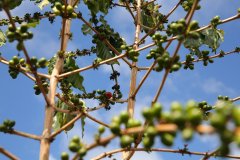
Hawaiian Coffee Hawaiian Kona Coffee Hawaiian kona Coffee Hawaiian Volcano Coffee introduction
Professional Coffee knowledge Exchange more coffee bean information Please follow the coffee workshop (Wechat official account cafe_style) to know first-hand the coffee making process and various Hawaiian delicacies at Greenville Farm in the Kona Coffee area. Kona coffee beans made in Hawaii have the perfect appearance their fruit is unusually full and shiny. The coffee is rich and fragrant with cinnamon.
Boutique coffee beans recommend super Hawaiian Kona coffee beans
◆ Origin: Hawaii Island Hawaii ◆ baking method: Full City Roast ◆ characteristics: 1. Palate: mellow, sweet and smooth, moderate acidity. two。 Bouquet: attractive and nutty. 3. Vision: large beans with blue translucency. The only coffee grower in the United States. Grows in the soil of volcanic rocks and occurs mostly on the southeast coastal edge of the Hawaiian Islands, but by